
Ah, the Northern Neck. This peaceful peninsula of water-oriented communities is rich in more than just the delicious seafood it’s known for – there is also a deep commitment to preserving the region’s history. We happened upon one such example when we strolled by the Steamboat Era Museum on our way to the Saturday farmers market in Irvington. It looked like a sweet place to visit, so we returned there the following Monday to check it out. I’m so glad we did!
The museum is currently open on Fridays, Saturdays, and Mondays from 10:00am to 4:00pm and on Sundays from 1:00pm to 4:00pm, although hours vary seasonally (be sure to check before you go). Adults admission is just $6.00 and youth ages 12-17 are $3.00. Active military and kids under 12 are free, making this a very affordable option for families with multiple young children.

When we entered the museum, the lovely woman at the front desk explained the exhibits and presented my older daughter with a little scavenger hunt booklet. Then we headed inside the museum’s two exhibit rooms to take a look around.

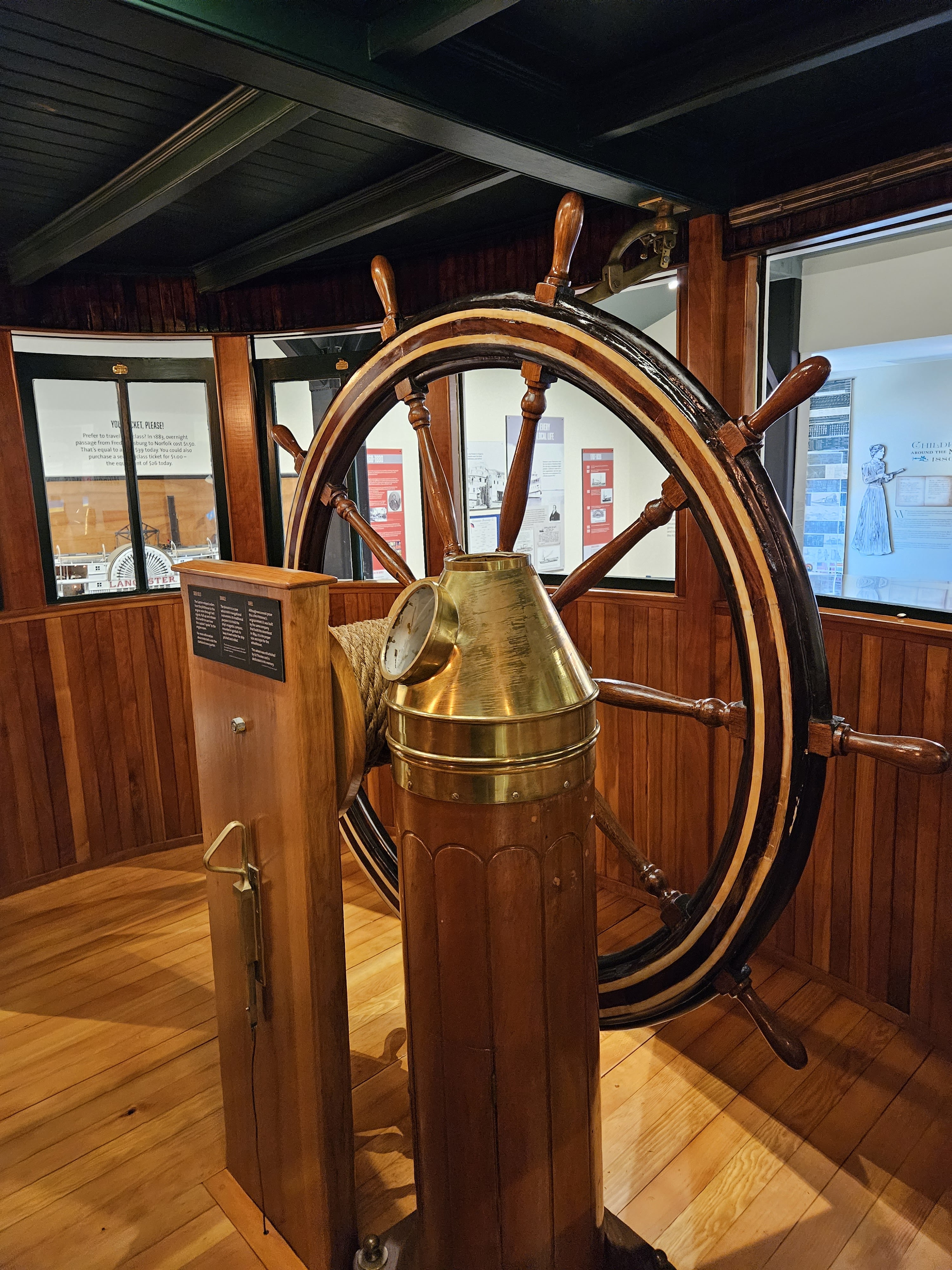
As its name suggests, the museum pays tribute to the steamboats that once traversed the Chesapeake Bay and its many tributaries. Its centerpiece is the original pilothouse of the Potomac steamboat, which has been lovingly and painstakingly restored to its 1890’s glory. Visitors can climb aboard to interact with the pilothouse’s wheel and navigational tools.
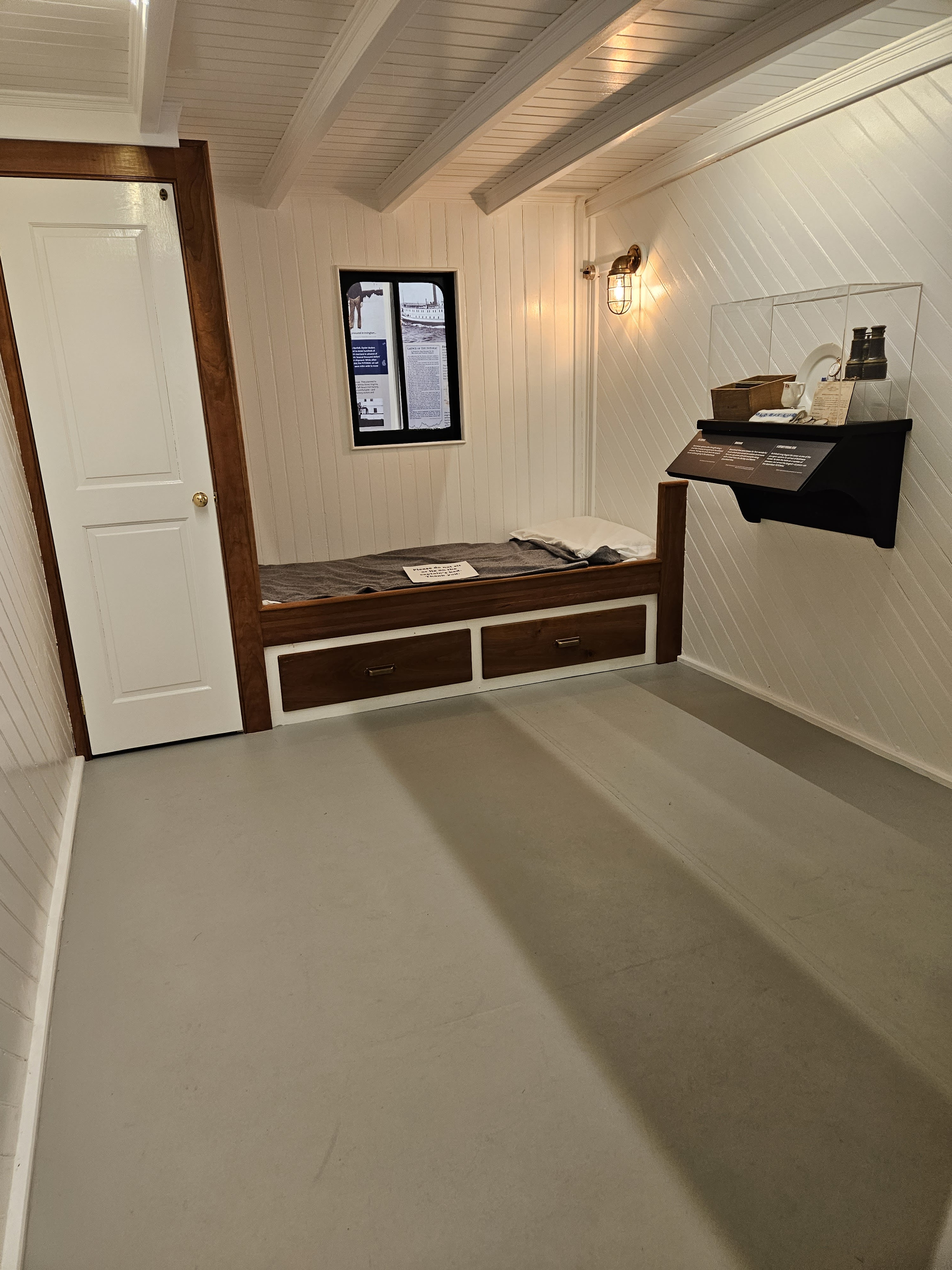
The back cabins are home to the captain’s quarters and a small viewing room where a video shares details about the renovation process.
The walls around the pilothouse outline the history of the steamboat era, a time period spanning longer than a century during which these powerful ships glued together a vast and isolated world. More than 300 steamboat ports could be found along the Chesapeake at the height of their popularity, and the vessels carried passengers, mail, and every type of good imaginable.

I really appreciated the museum’s commitment to sharing previously untold stories about marginalized members of the steamboat community. We learned about Hansford Bayton, an African American steamboat captain and ship owner whose five ships met multiple mysterious, fiery demises during a time when his business’s mere existence defied horrific Jim Crow laws. If you’d like to learn more about Captain Bayton, the museum has shared this narration of his life, and a biography by his great granddaughter is available on Amazon.
Both of my girls loved the museum’s newest exhibit, which has to do with the lives of children in the Northern Neck during the height of the steamboat era. The museum currently has a whole room devoted to sharing details of local children’s lives, including their schooling, chores, and regular interactions with the steamboats that were so prevalent in the area. The exhibit likened the steamboat deliveries to Amazon in that you could shop from home and the items you purchased arrived faster than ever before. Comparisons like this made it easier for my older daughter to grasp the effect that the invention of steamboats had on the local population.

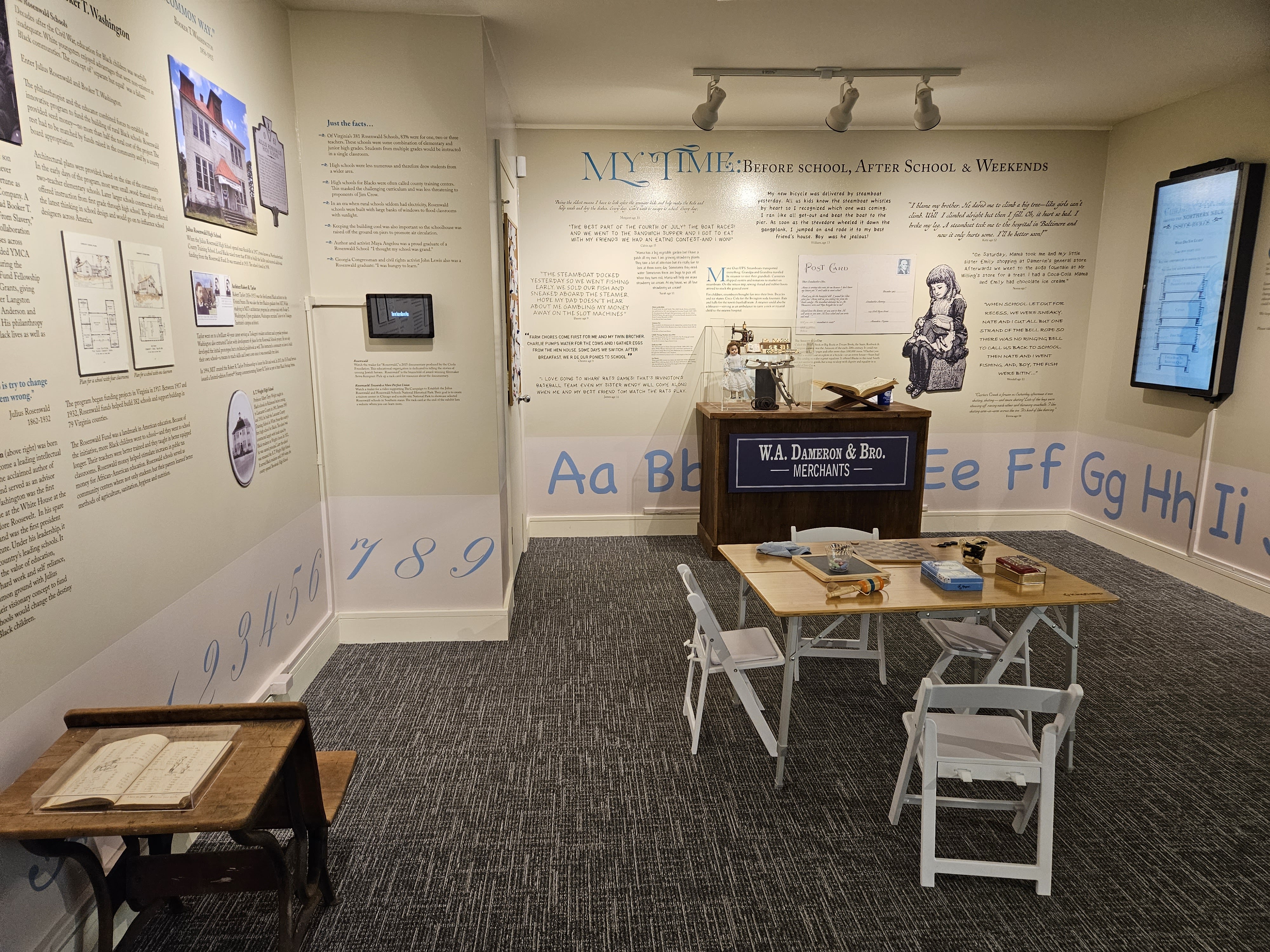
Both of my daughters – but especially my toddler – loved the tables full of toys and other items that children would have used during this time period. The girls had fun playing with Jacob’s Ladder, writing on a slate with chalk, attempting to catch a ball in a wooden cup, and watching me show them how to play Jacks.

Throughout our visit, my older daughter wandered around with the scavenger hunt booklet that she was given upon arrival. The booklet contained a total of 10 multiple choice questions with corresponding photos of different items in the museum. She was able to find the answers to all 10 questions, and she happily brought her completed booklet to the front desk to receive a prize.

In total, we spent about an hour at this little museum, which I think was the perfect amount of time to see everything (although you could certainly make your stay longer or shorter). I highly recommend it as an affordable, interactive way to learn about an important feature of regional history. Thank you, Steamboat Era Museum for a fun and educational morning!
 Old Dominion for Young Virginians